Three Meals a Day on Top of Everything Else
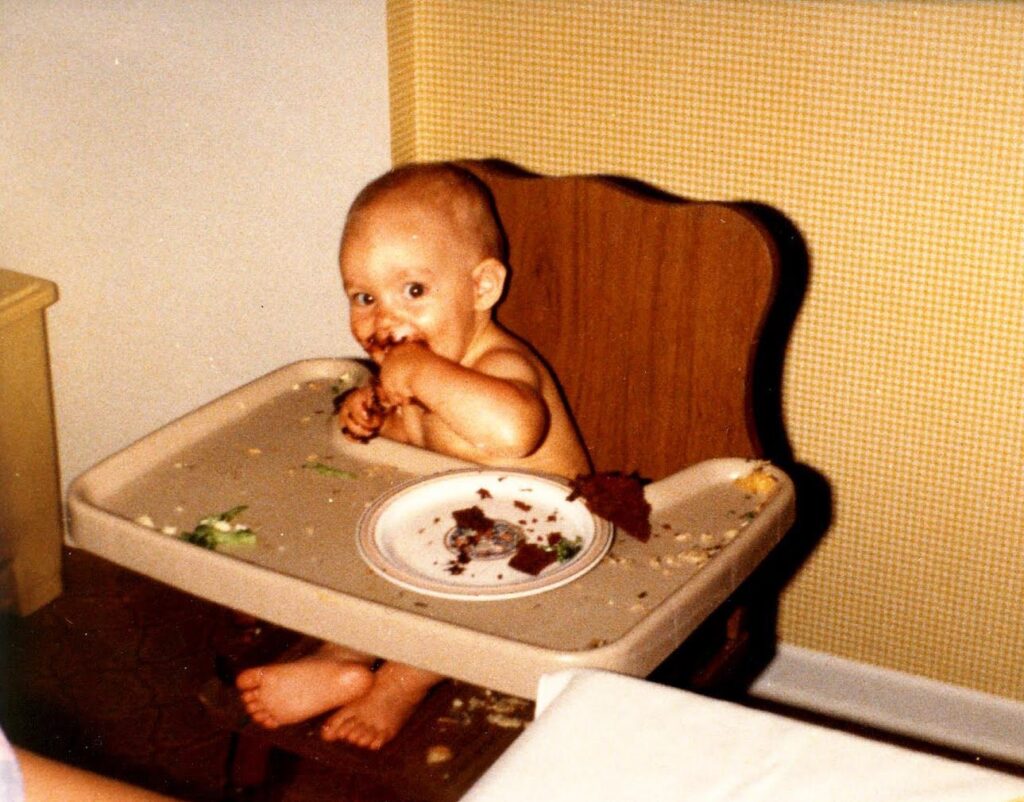
Around six months in, the ice cube trays come out from the back of the freezer, the ones nobody has touched since the last party, get filled with something orange, and get pushed in behind the frozen peas under a strip of masking tape that says SQUASH and a date in marker. The tray is usually how I find out solids have started, before anyone mentions it, along with the high chair that has appeared at the end of the kitchen table and the floor under it, which by four in the afternoon has rice cereal dried onto the chair legs and something orange worked into the grout.
The Starting Solids post from July covers when to start and what to offer, and leaves out the person standing at the counter at seven in the morning mashing a quarter of a banana with a fork, who will also be the one wiping it off the baby’s eyebrows and the wall behind the chair, and then sitting down on the couch to nurse or give a bottle anyway, because none of the milk feeds have gone anywhere.
Health Canada’s infant feeding recommendations have parents working up to two or three meals and one or two snacks a day between six and eight months, and up to three meals and one or two snacks by nine to eleven months, with breast milk or formula still the main source of nutrition at around six months. In an actual week that means the parent on leave goes from feeding a baby milk on the couch to planning, cooking, serving and cleaning up after five small meals a day, with every milk feed still on the schedule. The first foods are supposed to be iron-rich, so the early weeks are a lot of puréed chicken and lentils and iron-fortified cereal stirred with milk until it has the texture of wallpaper paste (sorry, “peanut butter”).
On a weekday it goes: milk on waking, then breakfast in the high chair while the parent eats toast standing over the sink, then a nap, then milk, then lunch, which is last night’s dinner pushed through a fork, then the tray and the wall and the floor wiped down, then a walk, then milk, then a snack that mostly goes to the dog, then dinner, which the baby and the adults are supposed to eat together and which in most houses means the adults eat after the bath. Somewhere in there, a bag of frozen cubes gets taken out to thaw and is still on the counter the next morning.
Most of the cooking is steaming and mashing and freezing, none of it hard, but it lands on top of the night feeds and the laundry and on the same person who was already making dinner for the adults, so for a few months the house runs two menus. On the Mumsnet weaning board this fall, one parent titled a thread VERY OVERWHELMING, in caps, and it was about fitting three small meals into a six-month-old’s day.
Then the baby who opened their mouth for sweet potato every day for a week starts clamping it shut, turning their head toward the wall and arching against the high chair straps as soon as they’re lowered in, and the meal that took twenty minutes comes back untouched or lands on the floor in about four seconds.
Quebec’s Mieux vivre avec notre enfant guide says some babies need several tries to get used to a food and others take it from the first spoonful. A study that followed two groups of European babies from their first solids kept offering a vegetable the babies had refused, at eight more meals, and most of them came around to it, with 79% still eating it at fifteen months and more than half still liking it at six (ahem, Nestlé paid for part of the study). A review of picky eating that drew on the University of Bristol’s long-running Children of the 90s cohort found that pressure to eat, and a parent who was worried about the eating, went along with more pickiness later on, and that eating the same meal as the rest of the family seemed to help.
In the kitchen that turns into the broccoli going back on the tray on Thursday and again the week after in a smaller amount, so less of it goes in the compost, and the baby getting a mashed spoonful of whatever the adults are having, which cuts the two menus back to one, and someone trying not to count spoonfuls at five thirty with the floor already covered. By the second or third month of solids, most babies can pick up soft pieces on their own and eat a cut-up version of the adults’ dinner, and the trays come out of the freezer less often.
When to call someone
A baby who refuses nearly everything for weeks, is losing weight, gags or vomits often with food or seems to be in pain after eating should be seen by the CLSC nurse, the family doctor or the paediatrician.
The same goes for a parent who has started dreading every meal.
Info-Social at 811, option 2, answers at any hour in Quebec, and the CLSC can be called during the day.